


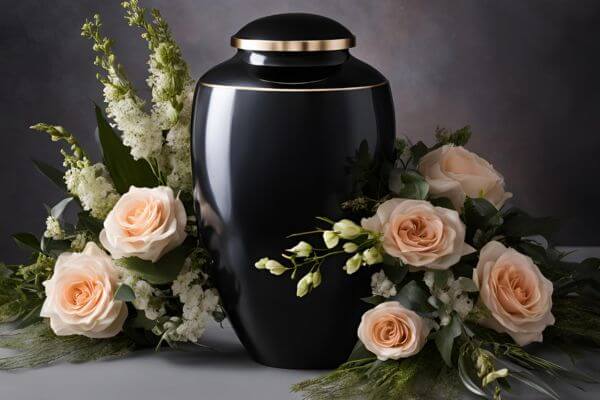
1) Consider the Final Resting Place
For many, the ideal cremation urn is a way to celebrate the life and legacy of a loved one. Therefore, the choice should be carefully considered to ensure the ashes are preserved with dignity. In many countries, cremation is a common practice, and the law permits keeping the urn at home or scattering the ashes in a meaningful place. In Poland, cremation is increasingly chosen; however, legal regulations prohibit storing urns outside of cemeteries. It is thus important to reflect on the appropriate resting place for a loved one’s remains.
– Home
Where permitted, many families opt for elegant, unique urns to display in their homes. This is a deeply personal decision that balances both practical and emotional considerations. It allows family and friends to commemorate their loved one and appreciate the urn as a decorative object. The material of the urn influences not only its durability but also its aesthetics and symbolism. Choosing an urn can reflect personal values or beliefs—whether spiritual, religious, or symbolic of nature, love, or remembrance. Many urns feature decorative motifs or symbols that hold special significance for the family.
– Columbarium
A columbarium, or memorial wall, is a designated area within a cemetery used for storing cremation urns. These urns are placed in niches, cabinets, or specially designed compartments of varying sizes. Some niches are tailored for specific urn dimensions, while others offer double space for two urns or even larger compartments accommodating multiple urns.
– Mausoleum
Placing a cremation urn in a mausoleum is a traditional and respectful way to honor the deceased. This method merges reverence for the departed with a focus on the aesthetic and tranquil qualities of the burial site. Mausoleums often serve as a final resting place for multiple generations, reinforcing family traditions. They may be either above-ground or underground, and urns are housed within a designated niche or chamber inside the structure.
– Traditional Grave (Earth or Vaulted)
Burying an urn in a traditional grave—whether earthen or vaulted—is a widely practiced method of memorialization, combining heritage with modern sensibilities.
Earthen grave: This resembles a conventional casket burial, though the urn may be placed directly in the ground or inside a protective container, depending on cemetery regulations.
Vaulted grave: A more permanent structure such as a tomb or crypt, where the urn is placed in an individual chamber. This option often allows for multiple urns in one space.
– Catacombs
Catacombs are specially designed underground chambers or corridors for housing urns with cremated remains. This tradition dates back to ancient times, especially in Rome, where early Christians used catacombs for burial. Modern catacombs—often located near cemeteries or churches—offer a dignified resting place, with urns stored in secure niches.
– Scattering of Ashes
Scattering ashes has become an increasingly meaningful way to commemorate a loved one, allowing families to choose a final resting place with personal significance. Some urns are specifically designed for sea scattering, others for land, and some are suitable for both. Biodegradable urns are also available. However, each country has its own regulations regarding ash scattering. It is essential to consult local laws when planning this type of memorial.
2) Choosing the Appropriate Cremation Urn Size
It is crucial to consider the size and dimensions of the cremation urn. These specifications are always provided in product descriptions. More detailed information can be found in the section titled “Different Sizes of Cremation Urns.”
3) Choosing the Material of the Cremation Urn
Selecting the right material for a cremation urn is an important step in tailoring the product to suit individual needs and preferences. Each material offers unique qualities in terms of both aesthetics and functionality:
Wood – Warm and natural, wood symbolizes a connection to nature. Wooden urns are best suited for indoor storage in dry, enclosed environments.
Stone – Materials such as marble or granite are durable and timeless, representing eternity and peace. Stone urns are heavier and more resistant to environmental factors, making them ideal for columbarium niches or gravesites. Their natural patterns and colors lend the urn a distinctive and elegant appearance.
Metal – Bronze, brass, and stainless steel are robust and long-lasting. These urns often feature a classic, elegant design and are highly resistant to mechanical damage and weather conditions. They are suitable for display in the home or in a columbarium. Available in various finishes—from matte to glossy—they can be chosen to suit personal taste.
Ceramic – Delicate and beautiful, ceramic urns can be artistically decorated, making them cherished memorials. Valued for their long-standing tradition and aesthetic appeal, ceramic urns often feature hand-painted or ornate designs. Though more fragile than metal, they are an excellent choice for home display or secure indoor placement.
Biodegradable – Made from materials such as paper, palm leaves, or sand, these urns naturally decompose when placed in soil or water. Ideal for eco-friendly ceremonies, they leave no lasting environmental impact.
Glass – Often considered miniature works of art, glass urns are hand-blown or molded and may be transparent or artistically decorated. Due to their fragility, they are best kept indoors, where they serve as a meaningful keepsake.
4) Personalizing a Cremation Urn
Personalizing a cremation urn offers a unique way to honor the memory of a loved one with respect and love. Beyond choosing the material and shape, personalization allows for elements that reflect the deceased’s personality, passions, or values.
One of the most popular methods is engraving. This can include names, dates, quotes, or phrases that held special significance. The engraving may be subtle or bold, depending on the urn’s material and style. In some cases, engraved metal plaques can be affixed to the urn.
Many urns can also be adorned with special patterns or motifs that symbolize hobbies, interests, or aspects of the deceased’s life. Such details lend a personal touch and transform the urn into a unique tribute.
Personalization may also involve selecting the color and finish of the urn, aligning with the lifestyle or personality of the departed