


Myth 1: Cremation goes against religion and spirituality
This belief is still widespread, especially in traditionally Christian cultures. However, many religions today accept cremation — and some have embraced it for centuries. The Catholic Church has permitted cremation since the 1960s (as long as it’s not chosen to deny belief in resurrection). Eastern religions such as Hinduism and Buddhism consider cremation a natural part of spiritual transition. Protestant and many Jewish communities also allow it. What truly matters isn’t the method of burial, but the spirit of respect, love, and remembrance behind it.
Myth 2: The body isn’t treated with dignity during cremation
This is a painful and untrue misconception. Cremation facilities operate under strict ethical, legal, and sanitary guidelines. Staff are trained to handle the body with the same respect given in any traditional service. From arrival to the return of the ashes, every step is carefully documented and carried out with deep care. The cremation process is not mechanical — it is reverent and human.
Myth 3: There’s no guarantee the ashes belong to my loved one
This fear is understandable, especially in emotionally charged times. But crematories follow strict identification protocols. Each body is marked with a unique ID, which accompanies it throughout the entire process — including the cremation chamber. The remains are placed in a container labeled with the same ID, and families receive a certificate of authenticity. In a reputable crematorium, confusion or mix-up is virtually impossible.
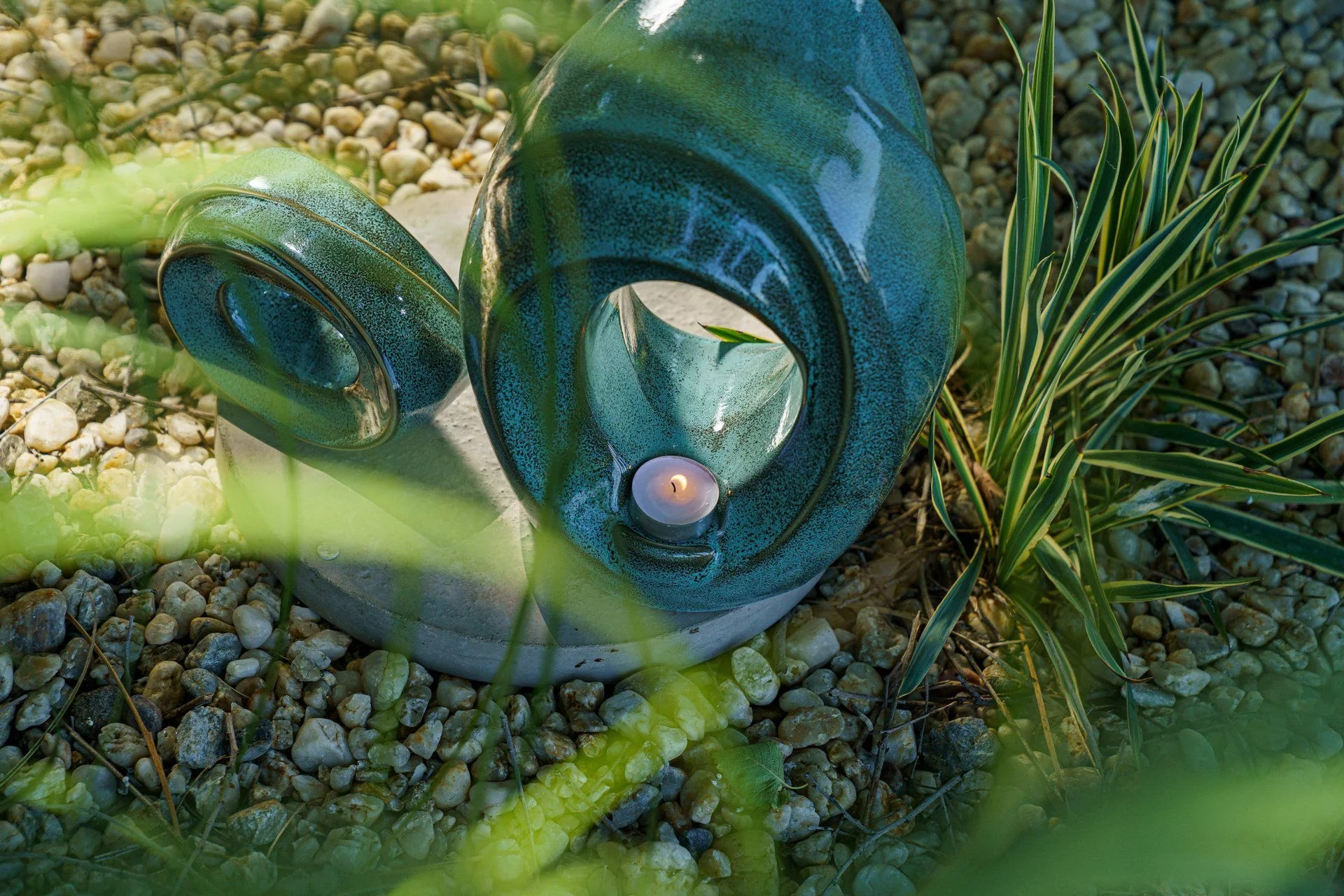
Myth 4: An urn is a “less dignified” farewell than a casket
This belief is tied more to cultural norms than actual meaning. An urn is not “less than” — it is simply different. Many families choose urns for their symbolism, beauty, and personalization. Modern urns can reflect a person’s values, passions, and story. They can be elegant, natural, minimal, or spiritual. And they serve as a lasting memory — a symbol that love endures, even after death.
Myth 5: Ashes can be scattered anywhere
Contrary to popular belief, you cannot scatter ashes just anywhere. Most countries — including Poland — have specific regulations regarding the location and manner of ash dispersion. Public places (like parks or mountains) usually require permission, or may even prohibit it. However, there are dedicated memorial gardens and scattering sites that allow you to honor your loved one in a peaceful, legal way. Always check local laws or ask a funeral service provider for guidance.
Myth 6: Cremation is cheaper, therefore less meaningful
While cremation is often more affordable than burial, this does not diminish its significance. For many families, cremation is a deeply intentional, loving choice — sometimes even the expressed wish of the deceased. Affordability does not equate to a lack of reverence. Cremation can be deeply spiritual, solemn, and moving.
Myth 7: Cremation is harmful to the environment
Concerns about cremation’s ecological impact are valid. While it does involve energy use and emissions, it also avoids embalming chemicals, large burial plots, and resource-heavy caskets. Many crematoriums today invest in cleaner technologies and energy-efficient systems. Eco-friendly urns and biodegradable options also support sustainable memorial choices. Cremation, when chosen consciously, can be aligned with environmental values.
In closing, cremation is not a lesser option — it is simply one path of many. What matters most is that the goodbye feels authentic, caring, and aligned with your values. Whether you're honoring a final wish or making the decision for someone you love, it’s okay to ask questions, seek clarity, and take your time.
Death is a difficult topic, but it doesn’t need to be hidden in silence or fear. It can be a space for tenderness, understanding, and memory.