

When Does a Funeral Become a Personal Farewell?
Every funeral has its own established form, yet within that framework there is room for individual choices. These may include music, photographs, flowers, colors, speeches, or personal objects connected to the person who has died. The family knows best what mattered to their loved one. Talking about these things can help create a funeral ceremony with a personal character rather than leaving it entirely within a universal, predetermined framework.
Music That Brings Memories Back
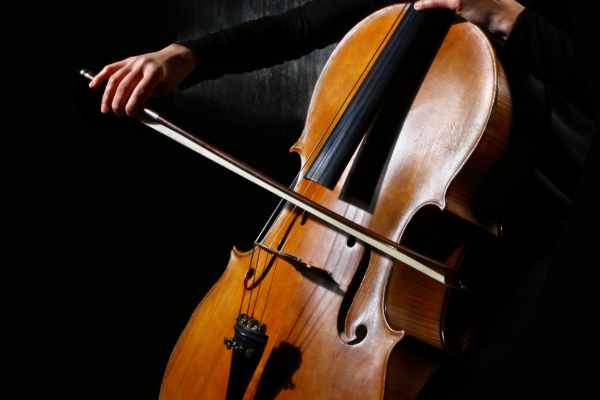
Some melodies stay with us for many years. They become connected to people, places, or moments and can bring back an image we have not seen in a long time within just a few seconds. During a final farewell, a chosen song can become part of a shared story, a way of telling something about the person being remembered. It does not have to be solemn or obvious. It may recall an important period of their life, a journey they shared with loved ones, or simply be a piece of music they particularly loved.
Photographs That Show an Entire Life
A person’s life cannot be captured in a single portrait. Photographs from childhood, family gatherings, travels, work, or ordinary everyday moments reveal different chapters of their story. Sometimes the most meaningful photographs are the completely unremarkable ones. They are not perfect. But they are real. Including them in the funeral setting allows us to remember not only the person themselves, but also the world in which they lived.
Objects and Symbols That Matter to the Family
Some of the most meaningful things may appear completely ordinary to someone else. A book, a camera, a tool connected to their profession, a travel keepsake, or an object associated with a hobby can open the door to a particular memory. Not everything needs to be explained. Sometimes the greatest meaning lies precisely in what only those closest to the person recognize.
Colors, Flowers, and Details
Flowers and color choices can be more than matters of aesthetics. They may reflect favorite colors, a beloved garden, particular flowers, or other associations connected to the person who has died. There is no need for elaborate decoration. A single distinctive detail can be enough to give the ceremony a personal character.
The Family Can Help Shape the Farewell
Personalizing a funeral is not only about its visual setting. What is said can be just as meaningful. Family members may decide which memories are worth sharing, who would like to speak, and which moments best reflect the person’s character. Not every family will need or want this. Not everyone feels comfortable speaking publicly about their emotions, and that should be respected as well. There is no single right way to create a personal farewell.
An Urn Can Become Part of the Story of the Person We Are Saying Goodbye To
In the case of cremation, the choice of an urn can also have a deeply personal dimension. Its shape, material, color, texture, or craftsmanship may complement the character, interests, or aesthetic sensibility of the person who has died. For some, simplicity will feel right. For others, it may be an artistic form, a natural material, or a particular color palette.
There is no need to force symbolism where it does not belong. What matters is the association a particular object creates for those closest to the person. In this way, a cremation urn can become part of the final farewell, quietly reminding everyone during the ceremony of who they are saying goodbye to.
Personalization Does Not Mean Extravagance
The personal character of a ceremony does not depend on how many elements are included. Sometimes a single song, photograph, or a few words are enough. What matters most is that the choices feel right for the family rather than being guided by the idea that a personal farewell has to look a certain way. That is why the conversation between loved ones and the funeral home can be so important.
Tradition and Individuality Can Go Hand in Hand
Personalization does not require giving up a traditional form of funeral. Its customary structure can remain intact while incorporating elements that reflect the individuality of the person who has died: music, photographs, flowers, personal memories, or a thoughtfully chosen cremation urn.
It is not about choosing between tradition and modernity. It is about making room for what is personal.
A Farewell That Reminds Us Who This Person Was
At the time of death, it is easy to focus on what is no longer there. Yet a ceremony can also remind us of what remains: passions, relationships, shared moments, familiar habits, and the stories that shaped a life over the years.
Personalizing a final farewell does not change the reality of loss. It can, however, create a space within the sadness to remember someone as they were in life.
A funeral can be more than a moment of saying goodbye. It can become a quiet, respectful story of a life that had its own character and left a lasting mark on others.